
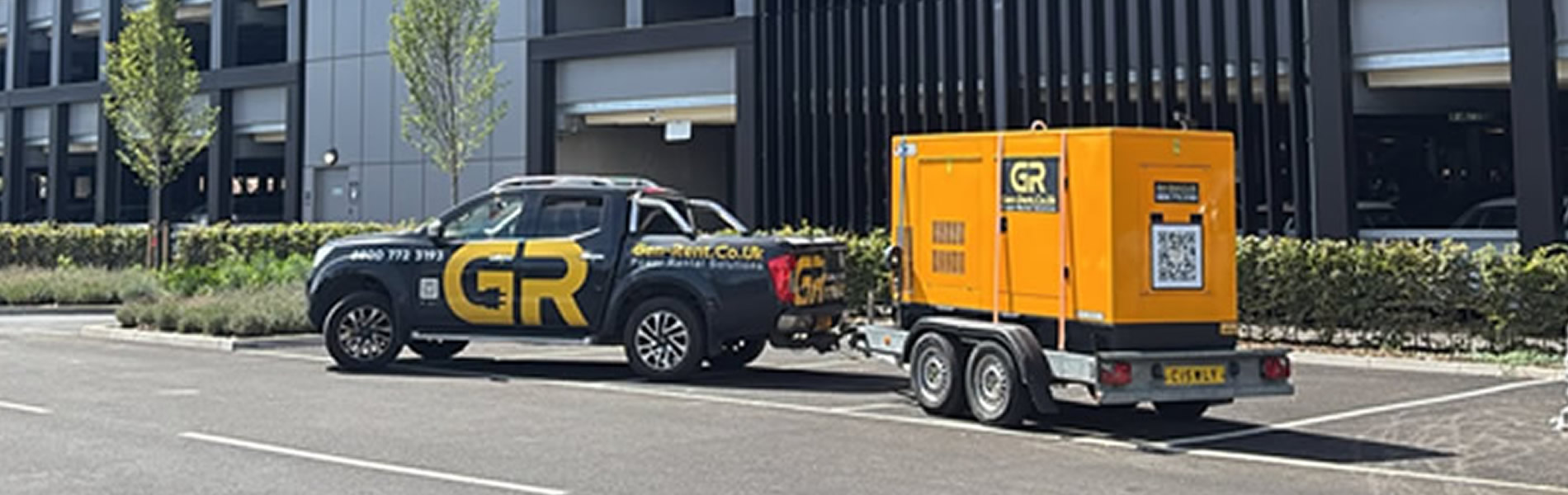
A well-positioned generator ensures safe operation, optimal performance, and minimal disruption to surrounding activities. Whether for events, construction projects, warehouses, or utility operations, careful planning is essential. Here are the key factors to consider when positioning a generator on site.
-
Safety and Ventilation
Safety should always be the top priority when siting a generator. Generators produce exhaust gases, including carbon monoxide, which can be hazardous in enclosed or poorly ventilated areas.
Always position generators:
- In open, well-ventilated spaces
- Away from doors, windows, and air intakes
- At a safe distance from occupied areas
Proper ventilation prevents the buildup of harmful fumes and ensures safe operation for everyone on site.
-
Distance from Operational Access
Generators should be placed far enough away from key operational zones to minimise disruption, but close enough to maintain efficient power distribution.
For example:
- At events, generators are typically positioned away from guests and stages
- In warehouses or construction sites, they should not obstruct workflows or access routes
Balancing distance helps reduce noise impact while ensuring easy connectivity.
-
Noise Cancellation
Even with modern silent or low-noise generators, sound can still be an issue—particularly in residential or noise-sensitive environments.
To reduce noise impact:
- Place the generator behind barriers, walls, or natural obstructions
- Use temporary sound shields if necessary
- Consider the direction of exhaust and noise output
Thoughtful placement helps maintain a quieter environment and improves overall site experience.
-
Ground Conditions and Stability
The surface on which a generator is placed plays a significant role in its safe operation. Generators should always be positioned on solid, level ground to prevent movement or vibration.
Avoid:
- Uneven or sloped surfaces
- Soft or muddy ground that could cause the unit to sink
In some cases, additional supports or platforms may be required to ensure stability and proper alignment.
-
Accessibility for Refuelling and Maintenance
Generators require regular monitoring, refuelling, and maintenance-especially during long operations.
Ensure the location allows:
- Easy access for technicians
- Safe refuelling without disrupting operations
- Clear space for maintenance checks and emergency access
Poor accessibility can lead to delays, safety risks, or operational downtime.
-
Cable Management and Power Distribution
Efficient cable routing is essential for both safety and performance. Poorly managed cables can create trip hazards and reduce efficiency.
When planning placement:
- Keep cable runs as short and direct as possible
- Use proper cable protection (covers or ramps)
- Ensure connections are secure and weatherproof
Good cable management ensures a safe and reliable power supply across the site.
-
Weather Protection and Environmental Factors
Generators are often exposed to outdoor conditions, so protection from weather is crucial.
Consider:
- Using generators with weatherproof enclosures
- Providing additional covers or shelters if needed
- Protecting the unit from excessive heat, rain, or dust
Environmental conditions can affect performance, so proper protection helps maintain reliability.
-
Compliance and Regulations
Different locations have specific regulations regarding generator placement, including noise limits, emissions, and safety distances.
Before siting a generator, ensure compliance with:
- Local safety standards
- Environmental and noise regulations
- Site-specific rules or permits
Environmental conditions can affect performance, so proper protection helps maintain reliability.
Final thoughts
Siting a generator correctly is essential for achieving safe, efficient, and uninterrupted power. By considering factors such as ventilation, noise, accessibility, and environmental conditions, you can create a setup that supports both performance and safety.
A well-planned generator placement not only protects equipment and personnel but also enhances overall site operations—ensuring power is delivered seamlessly where and when it is needed most.